Cadence sensor or torque sensor
It's the most poorly explained difference in electric cycling, and yet the most noticeable within the first few metres. Two motors can advertise the same maximum torque and behave like two different vehicles, simply because they don't listen to the same thing.
What each sensor measures
A cadence sensor detects the crank turning. It answers a binary question: are the cranks rotating? If so, the motor applies the assistance level chosen on the display. The rider sets the intensity at the handlebar, not with their legs.
A torque sensor measures the force applied to the pedals. It answers a graded question: how hard are you pedalling? Assistance follows that intensity, proportionally. The rider sets the intensity with their legs; the display now only sets a coefficient.
In the BBS series: cadence, and nothing else
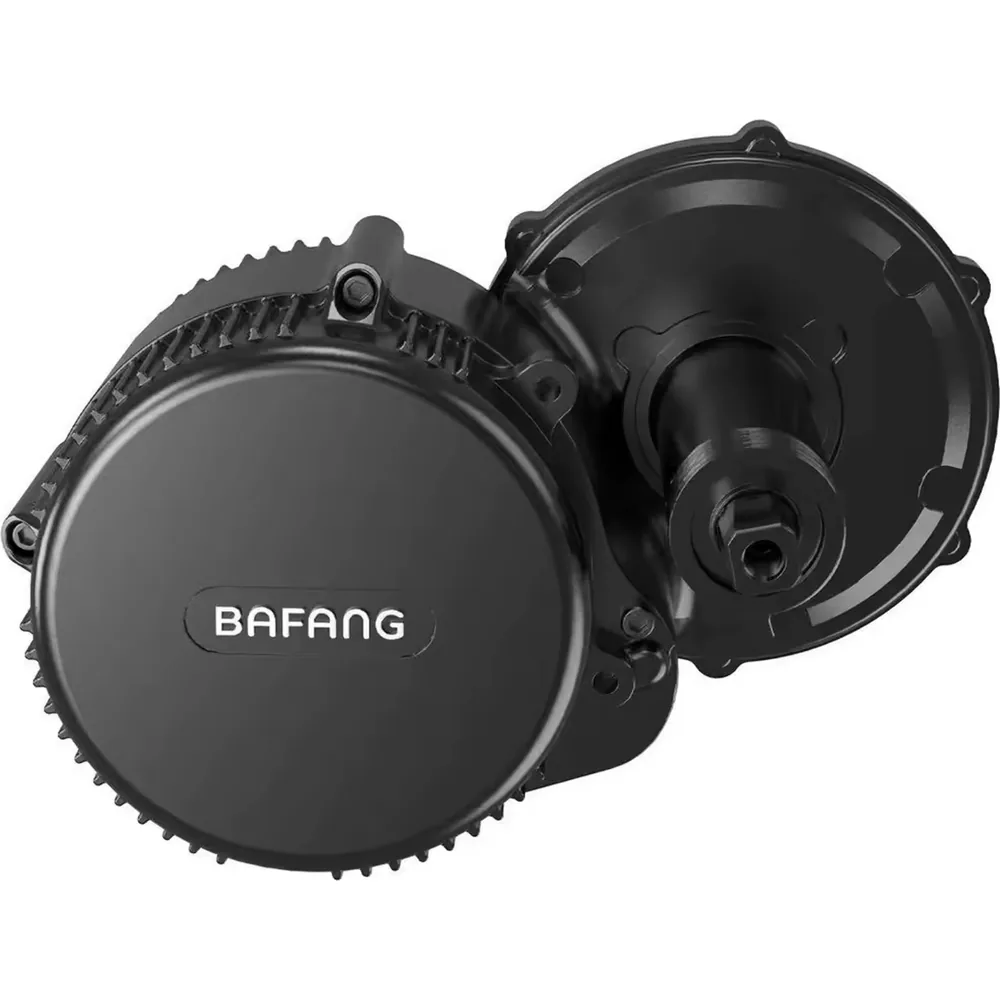
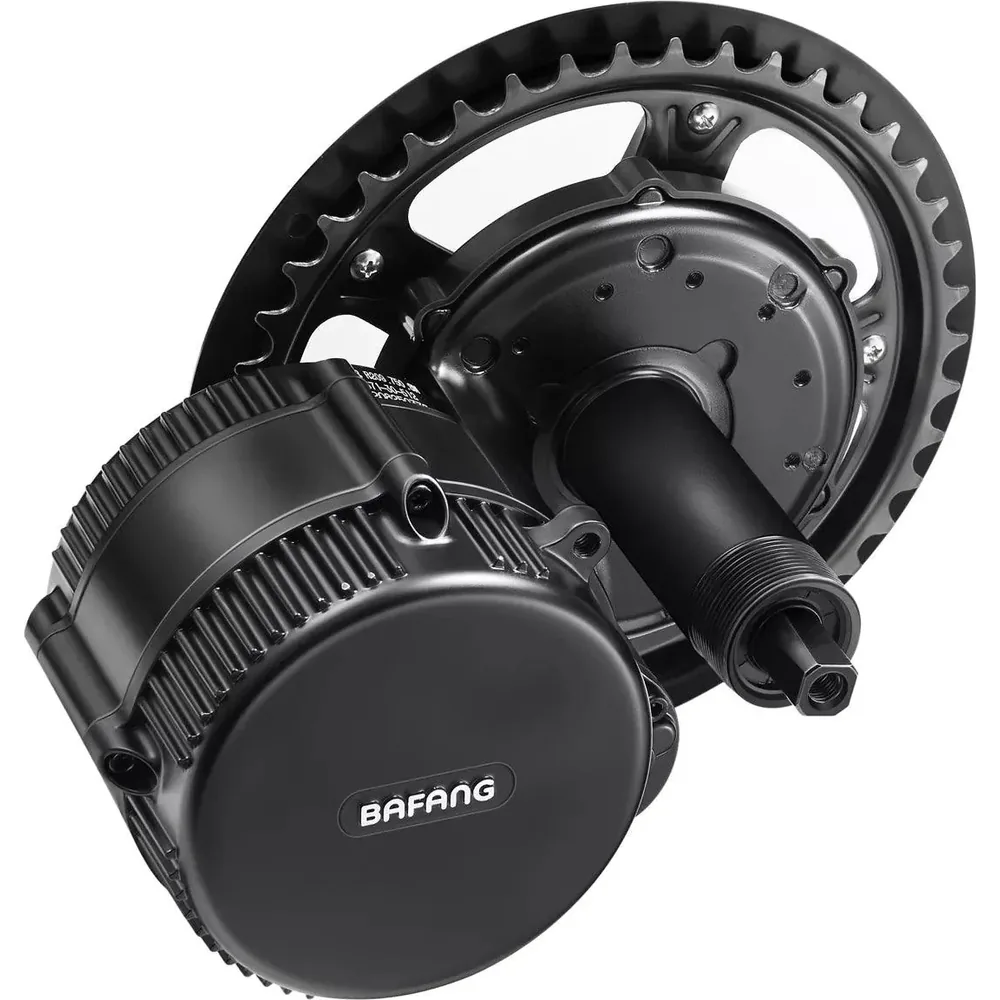
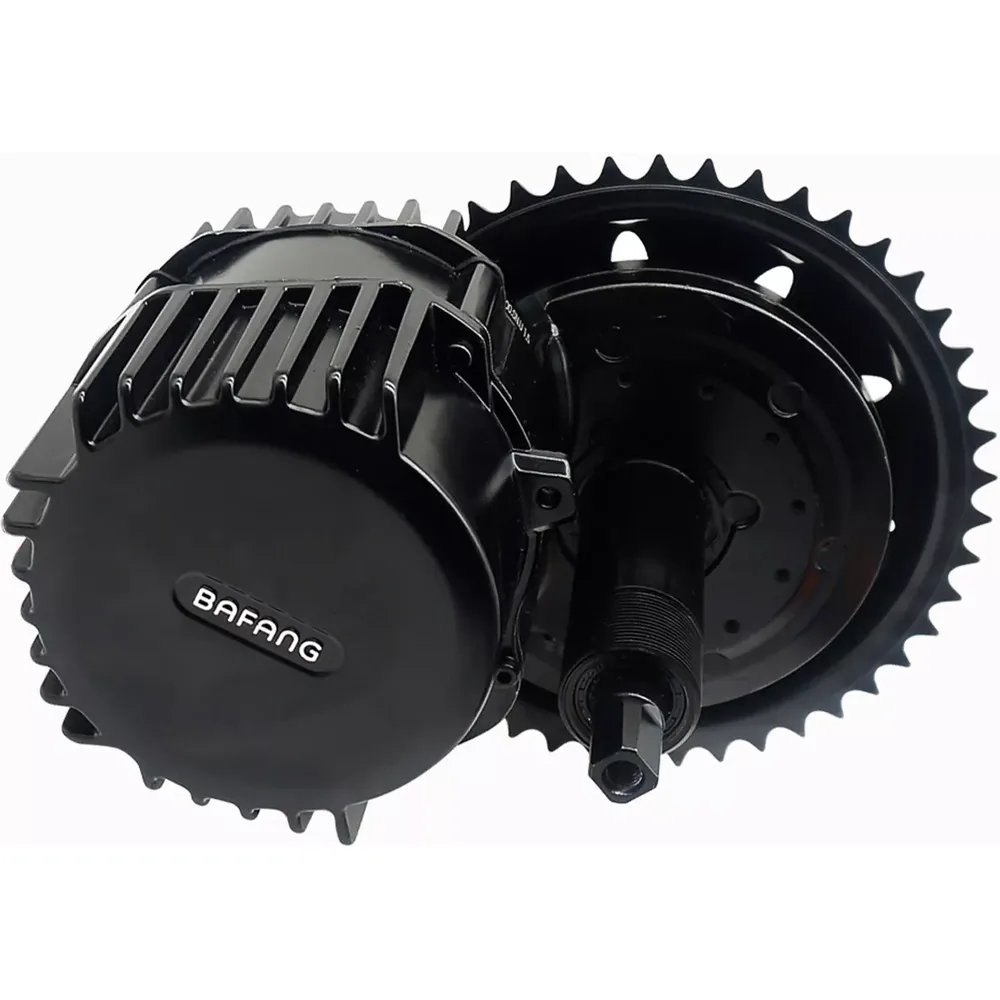
All three Bafang conversion kits run on a cadence sensor, without exception. It isn't a lack of care: a kit has to fit onto any bicycle, without frame-specific electronics or a measuring cell built into the bottom bracket. Measuring applied force requires a dedicated sensor, calibrated with the bike — a constraint incompatible with a product designed to fit thousands of different frames.
The practical consequence is simple to remember: among these three motors, the sensor is never a deciding criterion. What varies is the available torque and the controller's maximum current — in other words, how forcefully assistance arrives once triggered.
Three situations, two behaviours
At a standing start, at a red light
With a cadence sensor, assistance arrives from the first quarter turn, at the full intensity of the chosen level. It's effective, sometimes abrupt: on a high level, the bike pulls away faster than expected. With a torque sensor, the bike starts in proportion to the push given: more predictable, less dramatic.
On a long, loaded climb
This is where the cadence sensor takes the lead. It lets you turn the cranks with little effort and let the motor do the work. A torque sensor, on the same climb, requires you to keep pressing to keep receiving help.
On a technical descent, at low speed
Clear advantage to the torque sensor. It allows fine dosing, useful for clearing an obstacle at three kilometres an hour. A cadence sensor, in this situation, mostly offers two states: nothing, or too much.
A habit that changes everything on a cadence kit
On a BBS, drop one or two levels before a slow manoeuvre rather than trying to manage it through the pedals. Since assistance is set at the handlebar, that's where you need to plan ahead.
The effect on the drivetrain
All-or-nothing assistance wears the chain and cassette more than proportional assistance: torque arrives in one block, often at the worst moment — during a gear change. That's the whole reason the gear-shift sensor exists, a small accessory that cuts assistance for the duration of the shift — see the installation guide.
On a torque-sensor motor, the problem also exists, but is softened: assistance naturally drops as soon as pedal pressure decreases, which is exactly what happens when shifting gears.
Three settings that soften a cadence sensor
The sensor can't be swapped, but its effect can be tempered. Three levers exist, from the simplest to the most involved:
- Reduce the number of assistance levels in the display's menu. Going from nine steps to five gives clearer gaps and makes dosing at the handlebar noticeably easier to read.
- Ride one notch below what the grade seems to demand, compensating with the gear. Assistance becomes a top-up rather than a push, and the drivetrain takes less strain.
- Reprogram the controller to soften the power ramp-up. This is the most effective and most costly lever: it voids the warranty, as explained in the guide to open-source firmware on Bafang motors.
How to decide
- You want to move forward without exertion, with a load: cadence sensor and high torque, so the BBS02B or the BBSHD.
- You want to get back the feel of the bike, made easier: what you need is a torque sensor, and it isn't found in the BBS series. Better to know that before ordering than to discover it on the first pedal stroke.
- You want to keep your current bike: the install constraint comes first, and it leads to the three kits covered here. Which Bafang motor to choose for your use walks through the measurements to take.
The full reasoning, set against competing kits, is in Bafang or Tongsheng: cadence versus torque.
FAQ
Can a torque sensor be added to a BBS kit?
No, not without stepping outside the product as Bafang designs it. The cadence sensor is built into the BBS motor block; attempts to graft a force measurement onto it amount to a workshop hack, covered by no warranty.
Does a torque sensor use less power?
On the same ride, often yes, because assistance follows effort and drops as soon as you ease off. But the comparison is misleading: it mainly measures how much of the work is left to the rider.
Which sensor for carrying children?
A cadence sensor paired with high torque, as on the BBS02B or the BBSHD, lets you move forward on a climb without having to press hard. That is precisely the situation where a torque sensor asks the most of the rider.